Iran’s population exceeds 87 million, report shows
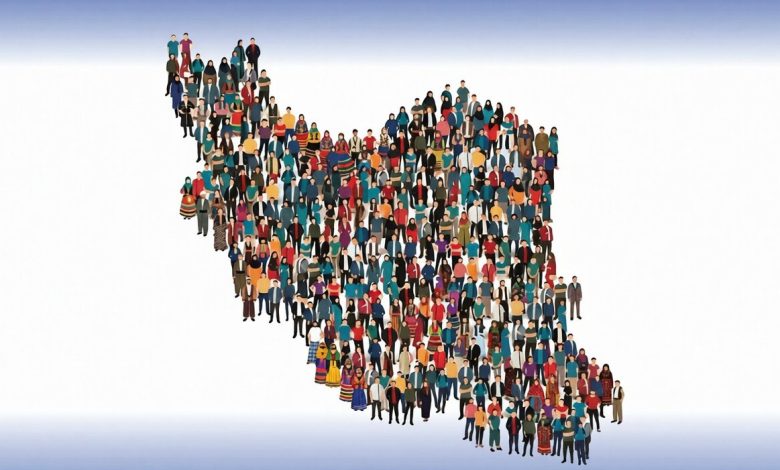

TEHRAN – According to the Statistical Center of Iran, the current population of the country has surpassed 87 million, and the number is expected to rise to 87.134 million by the end of the current Iranian year, March 2027.
Urban and rural populations will account for around 67 million and 20 million, respectively, IRNA reported.
Furthermore, the average household size is less than 3.2 (3.19) members per household, the lowest level recorded since the 1950s.
A total of 892,227 births and 459,984 deaths were registered in the country in the past Iranian calendar year (March 2025 – March 2026). The majority of births and deaths were recorded in summer and spring, respectively.
According to the head of the Welfare Organization, the rate of aging in Iran is growing faster than the global average, so that the country will be among the oldest countries in the world in 25 years.
Based on the World Health Organization (WHO) age classification in 2025, the elderly population constitutes those aged 60 and older. Accordingly, 14 percent of the country’s population is old now, ISNA quoted Seyed Javad Hosseini as saying in May.
A population is considered to be young, with seven percent of people being 60 or older; when seven to 14 percent of people are over 60, the country is said to be aging. Countries with 14 to 21 percent and 21 to 27 percent of people aged 60 or over are aged and super-aged, respectively, the official said.
In the Iranian year 1395 (2016 – 2017), only 9.5 percent of the population was aged over 60, and the global average aging rate was about 12 and 13 percent. In the Iranian year 1415 (2036 – 2037), the figure will rise to 15 percent in Iran and 16.5 percent in the world. However, in 1430 (2051 – 2052), the figure will reach 31 percent in Iran and 21.5 percent in the world, the official noted.
The life expectancy in Iran has increased, but the birth rate has lowered, Hosseini stressed.
The Vice-Presidency for Science and Technology and Knowledge-based Economy, in cooperation with the Innovation and Prosperity Fund, will support the implementation of projects in the family and youth population sectors.
To this end, the Vice-Presidency announced the second call to organize and fund innovations in line with achieving the country’s demographic goals in January, IRNA reported.
The call focused on three main areas, namely infertility treatment, childbearing, maternal and child health, as well as seven key specialized areas including cell therapy, gene therapy, tissue engineering (advanced treatments and novel approaches to improve fertility and treat genetic disorders), assisted reproductive technologies (ART) and Artificial Intelligence, nanotechnologies to improve diagnosis, health monitoring, and assisted reproductive treatments.
MT/MG