National Museum of Iran pays tribute to renowned archaeologist Yousef Majidzadeh
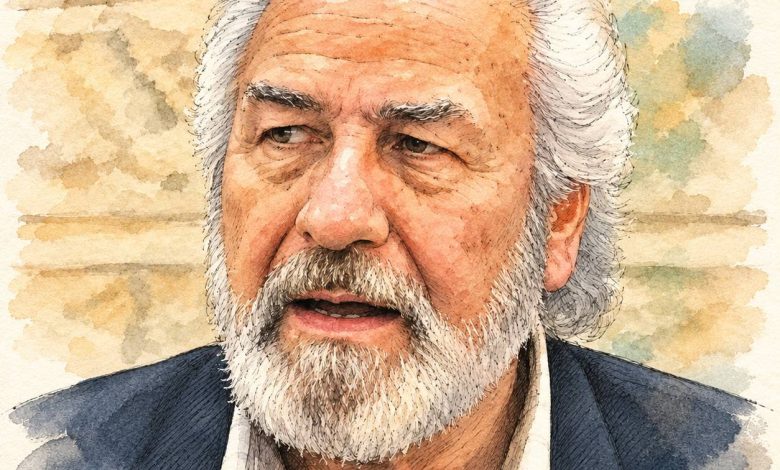
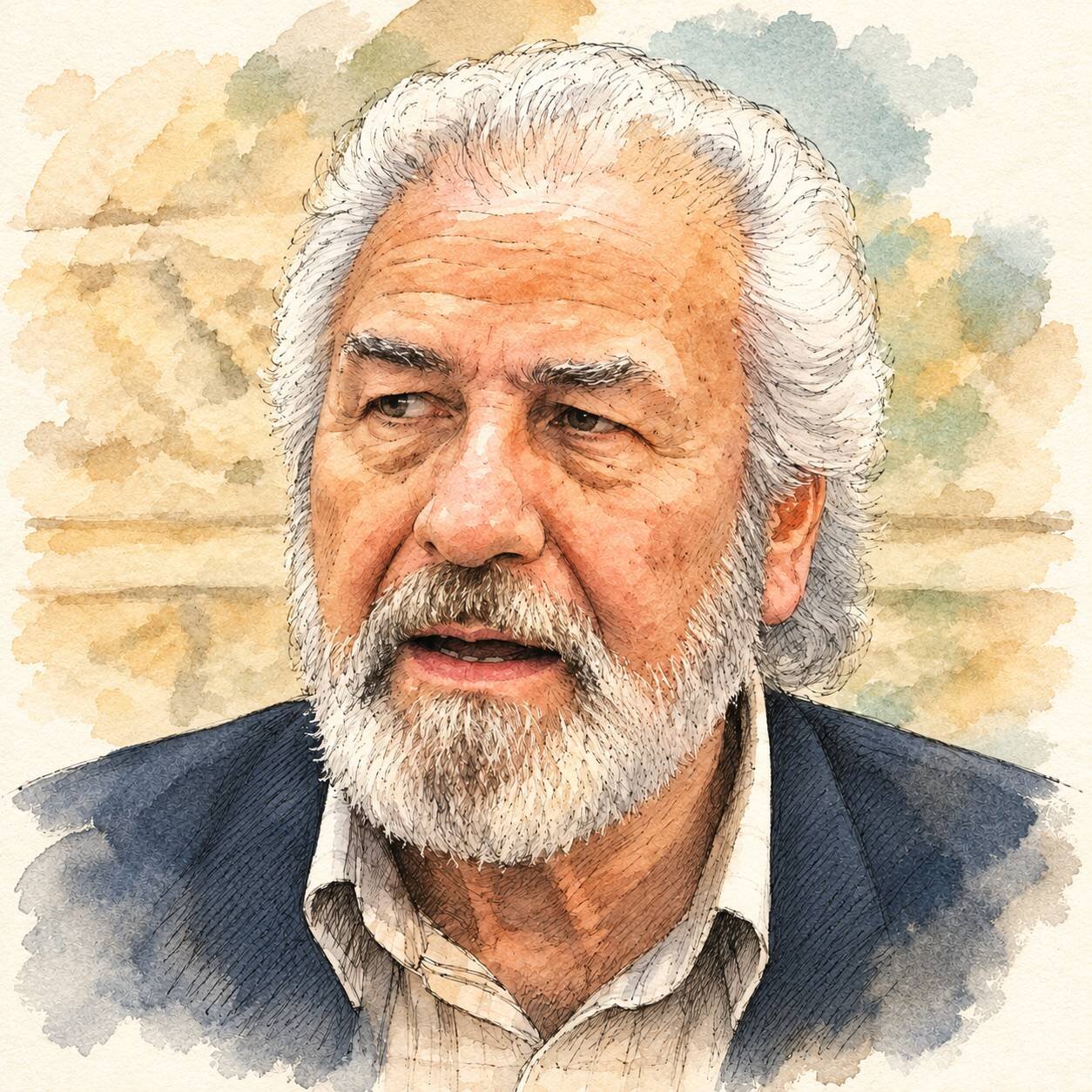
TEHRAN – The National Museum of Iran has expressed its profound sorrow at the passing of Yousef Majidzadeh, one of Iran’s most distinguished archaeologists, whose research made significant contributions to the study of the country’s prehistoric cultures and early civilizations. Majidzadeh died in France on October 19, 2026, at the age of 90.
In a statement, Jebrael Nokandeh, Director General of the National Museum of Iran, extended his condolences to Majidzadeh’s family, colleagues, students, and the wider archaeological community, recognizing his important role in advancing archaeological research in Iran.
“Yousef Majidzadeh was an influential figure in Iranian archaeology, dedicating much of his academic career to investigating and interpreting the country’s archaeological heritage. His research on prehistoric societies, the emergence of complex communities, and the development of early civilizations made a substantial contribution to our understanding of Iran’s ancient past,” Nokandeh said.
Majidzadeh’s fieldwork encompassed several important archaeological sites, including Tepe Ghabristan in the Qazvin Plain, Tepe Ozbaki, and the sites of the Halil Rud basin in southeastern Iran. His excavations at Jiroft, particularly at Konar Sandal, brought international attention to the archaeological significance of the region and stimulated renewed discussion of southeastern Iran’s role in the development of complex societies in the ancient West Asia.
His scholarly publications also addressed the beginnings of urbanization in Iran, the history and civilization of Elam, and cultural relations between Iran and Mesopotamia. Alongside his fieldwork and writing, Majidzadeh contributed to the discipline through university teaching and the training of younger generations of archaeologists.
“The National Museum of Iran recognizes Majidzadeh’s substantial contributions to archaeological research and the study of Iran’s ancient civilizations. His fieldwork and publications remain important points of reference for scholars investigating the prehistoric and early historic periods of the Iranian plateau and the wider ancient Near East,” Nokandeh added.
The National Museum of Iran extends its condolences to Majidzadeh’s family, colleagues, former students, and the archaeological community.
AM