
- Chip sellers have told neoclouds they won’t supply Nvidia chips if any of the computing capacity will be rented to Chinese companies, two people familiar with the situation told CNBC.
- A BIS rule effective Nov. 19 created significant new controls on remote access to advanced U.S. computing capacity for Chinese companies.
- U.S. Trade Representative Jamieson Greer told CNBC’s “Squawk Box” on Wednesday that the new BIS rule was intended to close “loopholes.”
Neoclouds are being told they won’t be able to purchase Nvidia chips if any of the computing capacity will be rented by Chinese companies, sources told CNBC.
It comes after a new rule restricting remote access to artificial-intelligence semiconductors was announced by the Trump administration on Nov. 16.
Chip sellers communicated the messaging to neoclouds after the announcement, which seeks to close an export controls loophole allowing Chinese companies to rent access to Nvidia’s most advanced chips when hosted in data centers overseas, two people familiar with the situation told CNBC. The people asked not to be named when discussing private information.
The interim final rule was announced by the Department of Commerce’s Bureau of Industry and Security, or BIS, and came into effect on Nov. 19. Previously imposed export controls have effectively banned the sale of the most advanced Nvidia chips to Chinese companies and their import into China.
Prior to the new rule’s announcement, Nvidia had said it would not sell its chips to customers renting more than 50% of the graphics processing units, or GPUs, to Chinese companies, CNBC reported.
The new rule impacts the full supply chain, from the companies selling Nvidia chips to the neoclouds who rent access to computing power. Neocloud stocks have come under renewed pressure lately as investors questioned the sustainability of the AI boom.
Nvidia and the U.S. Department of Commerce’s Bureau of Industry and Security did not immediately respond to a request for comment.
Closing ‘loopholes’
The change has prompted Nvidia chip sellers to look for new buyers of the semiconductor giant’s GPUs, CNBC reported on Wednesday, citing three people familiar with the matter. Two of those people said it appeared chip sellers were seeking to offload GPUs because they were originally for use in data centers through which Chinese companies would rent access.
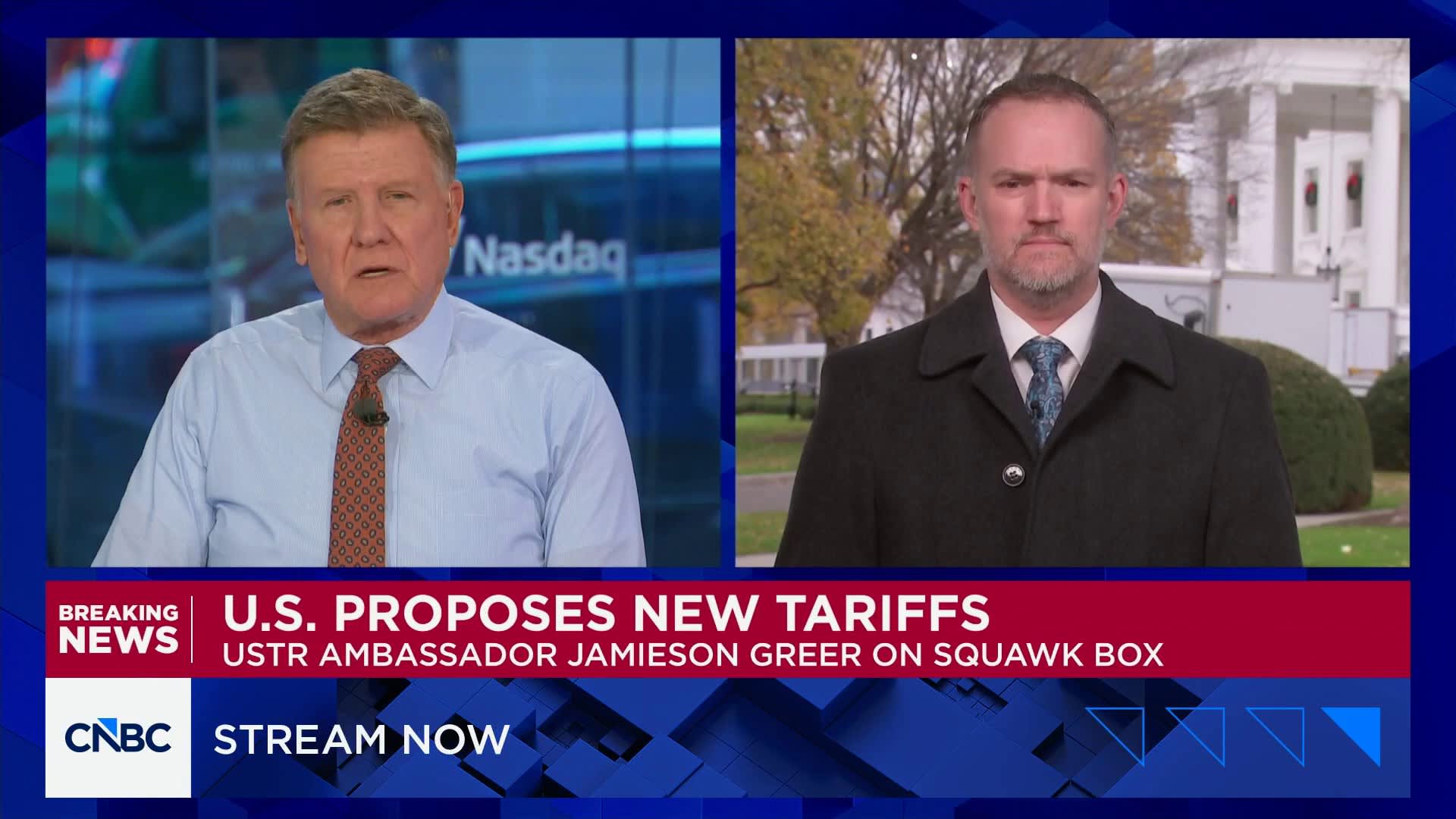
U.S. Trade Representative Jamieson Greer told CNBC’s “Squawk Box” on Wednesday that the new BIS rule was intended to close “loopholes.”
“Some rules were issued by the Commerce Department last week to close off indirect access, either smuggling through places like Southeast Asia or remote access from data centers in third countries,” he said.
U.S. lawmakers have been looking to clamp down on China’s access to advanced compute.
Separately, Nvidia warned its customers that the proposed Remote Access Security Act — which has passed the House of Representatives but is yet to pass the Senate — would give the U.S. government broader authority to control access to cloud services, potentially exposing both parties to “legal action,” sources previously told CNBC.
📌 خلاصه خبر
It comes after a new rule restricting remote access to artificial-intelligence semiconductors was announced by the Trump administration on Nov. 16. Chip sellers communicated the messaging to neoclouds after the announcement, which seeks to close an export controls loophole allowing Chinese companies to rent access to Nvidia's most advanced chips when hosted in data centers overseas, two people familiar with the situation told CNBC. The people asked not to be named when discussing private info…
با همسو نیوز در خبر بروز باشید