Any country joining Saudi aggression is aggressor: Yemen
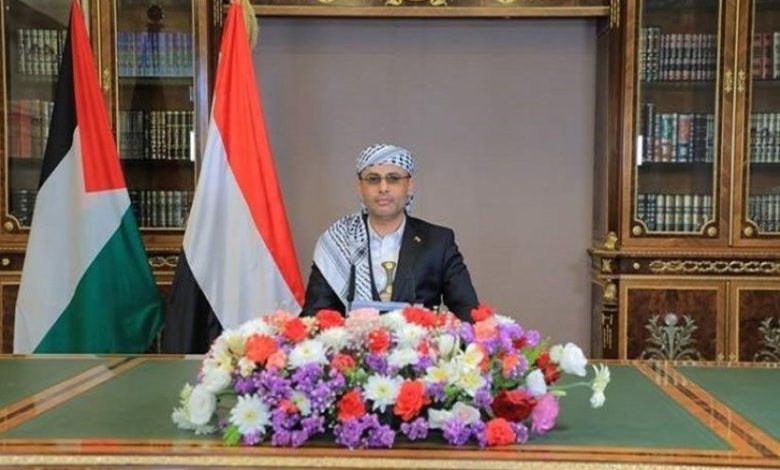
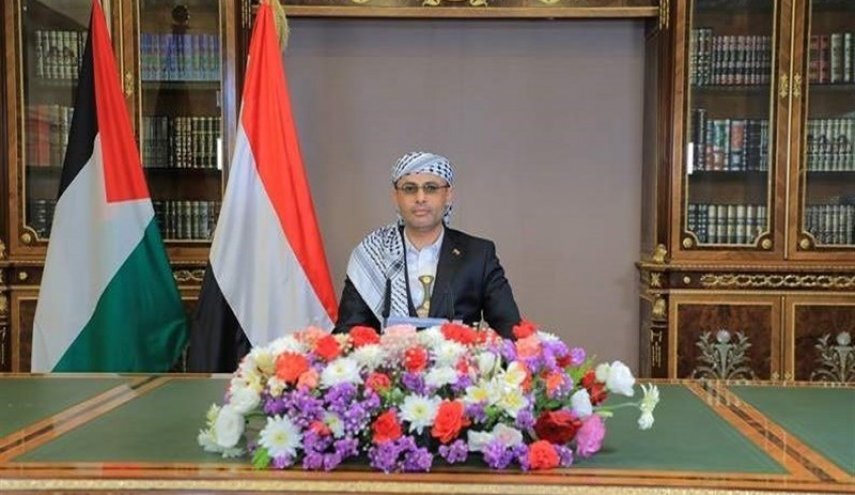
Earlier on Friday, Saudi Arabia, Turkey, and Pakistan signed a joint defense agreement which they said aims to strengthen collective deterrence against any act of aggression and stipulates that an armed attack against any one of the three countries will be regarded as an attack on all.
In response, Sana’a condemned the coalition, calling the agreement a cover for the continuation of the Saudi aggression against Yemen, Press TV reported.
President of Yemen’s Supreme Political Council Mahdi al-Mashat stressed that “agreements do not apply retroactively, and that the policy of ‘siege for siege’ continues until its objectives are achieved.”
“Whoever wants to participate with the Saudi aggressor in its 12-year-long aggression and blockade is an aggressor, even if they wrap this participation in glittering title”, he said in a statement, warning that Yemeni law defines how to deal with hostile states.
Addressing the Saudi officials, al-Mashat said, “Even if you rally the entire world to your side, it will not benefit you. The cost of a just and honorable peace and good neighborliness is far less than war.”
No coalition can deprive Yemenis of their legitimate rights’
Meanwhile, Yemen’s Foreign Ministry stressed that any Islamic bloc whose main goal is not to confront the Israeli enemy and support the Palestinian cause serves the Ummah’s enemies and is doomed to failure.
The statement advised Riyadh to stop its aggression and siege of Yemen, rather than floundering in search of solutions to the crisis it has dragged itself into.
The ministry stressed that buying loyalty and squandering funds will not protect the Saudi regime from accountability for its crimes in Yemen, stressing that no regional or global bloc will be able to strip the Yemeni people of their legitimate rights.
The statement stressed that there is no legitimate agreement that gives any party the freedom to commit crimes or violate the rights of other countries.
Also commenting on the joint agreement, Mohammad al-Farah, a member of the Ansarullah resistance movement, vowed that the group would continue its efforts to break the Saudi siege in defiance of the formed coalition.
“We will press on to break the siege, regardless of any coalition formed against us.”
He urged Turkey and Pakistan and other Muslim countries to refrain from turning into a “political cover” for any aggression or siege of an Islamic nation.
“What is expected of Muslim countries is not to form a coalition to support the aggressor and protect it from the fallout of its policies, but to pressure the aggressor to end the aggression,” Farah said.
Tensions flared last month when Saudi Arabia tried to prevent the return of an Iranian plane carrying a delegation of Yemeni officials to Tehran for the funeral of Iran’s martyred Leader Ayatollah Ali Khamenei. The plane was diverted after the Sana’a airport was bombed and landed safely in the city of Hudaydah.
Saudi Arabia and its Arab allies launched the blockade on Yemen as part of a full-scale war on March 26, 2015, with military, political, and logistical support from the United States and other Western states.
The war has killed tens of thousands of Yemenis, while consistently falling short of its main objective of restoring power to Yemen’s former Riyadh-friendly regime.
The government had fled the country amid a power struggle, prompting Ansarullah, Yemen’s popular resistance movement, to start running state affairs.
Following a fragile UN-brokered ceasefire in 2022, the United States, Britain, and the Israeli regime waged many rounds of wholesale aggression against Yemen.
The attacks sought to cripple Sana’a’s capability to stage solidarity strikes against Israeli targets in response to Tel Aviv’s war of genocide on the Gaza Strip.
MNA